.png)
What is a Semi-Custom Home? A Realtor's Guide to Explaining the Value to New Home Buyers

Updated: 3 days ago
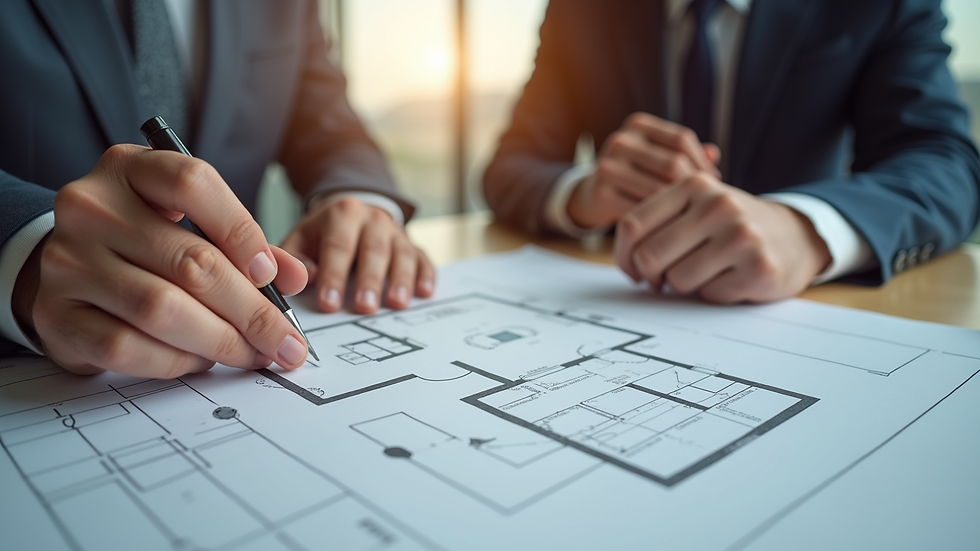
For Realtors, semi-custom homes are often one of the easiest new-construction options to position with buyers who want more than a standard builder-grade home but are not ready for the cost or complexity of a fully custom build. A semi-custom home starts with a builder’s existing floor plan and allows buyers to personalize selected features, upgrades, and sometimes parts of the layout. This makes it a practical middle-ground product that can appeal to clients who want personalization without starting from a blank page.
Understanding Semi-Custom Homes
When presenting a semi-custom home to buyers, the key message is flexibility with structure. Clients are not designing every detail from scratch. Instead, they choose from a proven base plan and then tailor major features such as room configurations, cabinetry, flooring, fixtures, appliances, exterior materials, and other finish selections. For many buyers, this reduces decision fatigue while still giving them a meaningful sense of ownership and personalization.
Key Benefits Realtors Can Highlight
Semi-custom homes provide Realtors with several strong selling points. First, the timeline is often shorter and more predictable than a full custom home because the builder is using an established plan and a more controlled construction process. Second, pricing is usually easier to explain because buyers begin with a base model and then add upgrades selectively. Third, semi-custom construction can help clients feel more confident because there are fewer unknowns than in a fully custom project. For buyers who value personalization but also need budget clarity and a manageable experience, this option can be especially appealing.
Important Trade-Offs to Set Expectations Around
Realtors should also help clients understand that semi-custom does not mean unlimited customization. Builders may offer only certain design packages, approved material selections, or limited structural modifications. Some floor plans can be adjusted significantly, while others allow only cosmetic changes. Buyers also typically have less direct control over day-to-day construction decisions than they would in a fully custom build. Setting these expectations early can prevent misunderstandings and help clients choose the right fit for their priorities.
When Semi-Custom May Be the Better Fit Than Fully Custom
For buyer consultations, the decision often comes down to how much customization the client truly needs. Buyers who want complete design freedom, unique architecture, and a highly hands-on process may still be better suited for a fully custom home. However, buyers who want a home that feels personal while keeping the process efficient, structured, and more financially predictable are often strong candidates for a semi-custom build. Realtors who understand this distinction can better match clients with the right product and builder experience.
Why This Matters in Buyer Conversations
Semi-custom homes can be a strong option for buyers who want a balance of personalization, efficiency, and cost control. For Realtors, understanding how to explain that balance is essential. When positioned correctly, semi-custom construction can help clients feel confident that they are making a smart, informed choice—one that reflects both their lifestyle goals and practical limits. That makes semi-custom homes not just a product category, but an important conversation opportunity in today’s market.

Your Next Steps Toward New Home Sales Excellence
If you truly want to excel in new home sales, you should give serious consideration to purchasing Building Partnerships: A Realtor's Step-by-Step Guide to New Home Sales Success.
Building Partnerships teaches you how to select the ideal home builder by covering eight key factors that set them apart and how to work effectively with a builder's team to achieve the best results. It also explains how a builder introduces new designs, the importance of builder/client meetings, and the key services a volume builder provides. This book will help you choose the right community, builder, and salesperson, and offer tips on sharing your successful new home sales stories through social media. Overall, Building Partnerships is a comprehensive resource that will genuinely prepare you to succeed in the dynamic world of new home sales.
About the Author
Bob Hafer has been a leader in the housing industry for 50 years. His extensive experience gives him unmatched insight into the complexities and rewards of buying and selling homes. His background includes success in consulting, management, administration, sales, marketing, merchandising, research, and sales training for both new home salespeople and Realtors. Contact Bob at www.newhomessalesauthor.com, email him at bob@newhomessalesauthor.com, or call him at 972-795-5926.


Comments